
This is the first article in a six-part series exploring the curious business of being human in a world our brains are constantly trying to protect us from. Over the next six articles in this series, we’ll look at the neuroscience and psychology of fear and anxiety, what happens when our internal alarm systems get a little overzealous, and how we can learn to live with uncertainty without letting it become the managing director of our lives. Along the way, we’ll explore the body’s default response to threat, the peculiar habit of avoiding the things we’re afraid of, and why freedom might have less to do with eliminating anxiety than learning not to take every anxious thought quite so seriously.

Lil’ me during a preschool picture day, circa 1990, an ever obedient “good girl” who learned to hide her stress responses.
As I write this on one of the spookiest nights of the year here in the U.S. and many other places (All Hallows' Eve), I find myself reflecting on how I've always been a bit (or a lot) afraid of the dark. And there's something rather interesting about that: a fear that likely helped protect us and generations of our ancestors can still make itself quite at home in our everyday lives, even when there's no obvious danger lurking in the shadows. So, what exactly happens when our protective instincts mistake uncertainty for threat? And when does something designed to keep us safe start getting in the way of actually living? That's where I want to begin this series exploring the science, psychology, and physiology of fear and anxiety.
A Personal Note
I have suffered from and struggled with anxiety my entire life, stemming from childhood and perhaps even from birth. Both of my parents struggled with anxiety, depression, and mental health conditions, which undoubtedly influenced their caretaking and attunement capacities with me growing up. My mother experienced the all-too-common yet often mistreated postpartum depression(PPD) and struggled with breastfeeding me. As a result, I think this deeply impacted our bond and created a lot of friction in our developing relationship. Growing up in an authority-heavy home, I learned to obey my surroundings and deny my needs and impulses. I lost a sense for what true safety might look or feel like, and in some ways had to learn from scratch what these even meant.
Over the years of my life, since my childhood, I wrestled with things like sleeping restfully, feeling at ease in social situations, and as a person with an ADHD brain, I often struggled with hyperactive energy I didn’t know what to do with(see the memory where by the age of 7, I’d be up at 4 am to exercise to aerobics classes on TV by myself in the wee hours of the morning while my family slept- and yes, I was undiagnosed until my forties…somehow everyone missed it? So I know anxiety and restless energy, and physical stress responses, and what it’s like to have a profound imagination and not know where or who to turn to. This series is something personal to me because it was only when I started to understand the concepts I will be sharing in these articles that I started to find true freedom for myself from the god-awful tethers anxiety and fear had on my daily life.
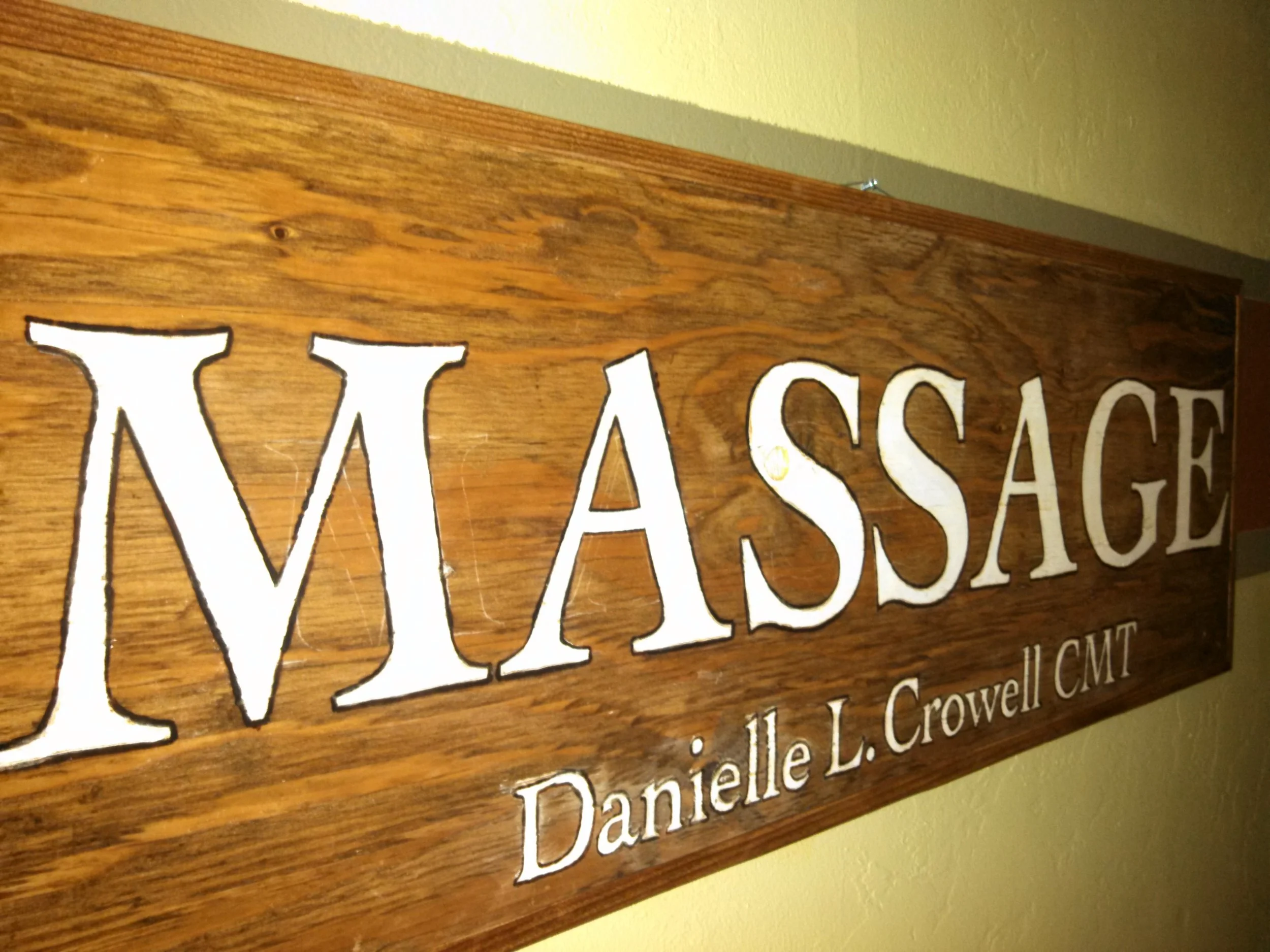
Photo of my massage office sign circa 2011.
I tried SO MANY THINGS to reduce how awful I felt, and my goodness, so few actually worked long-term. I spent more money than I want to disclose on near non-stop attempts to feel better. Tirelessly seeking, trialing, experimenting, and praying for relief, year after year, and seeing that years of therapies, practices, and tools really hadn’t gotten me anywhere when it came to my anxiety.
I trained in a variety of healing arts techniques and modalities, initially becoming a massage therapist in part just to figure out how to relieve my own suffering, before moving onto more complex therapeutic methodologies.
So. With this series, I intend to offer you a way out, validate any struggles you or anyone in your life has experienced, and invite you to consider another option for moving forward and living today.
The Trouble with Being a Human Brain
The human brain is an extraordinary piece of biological engineering. It can compose symphonies, calculate the distance to distant galaxies, invent the internet, and remember, with astonishing clarity, something embarrassing you said at a dinner party in 2009.
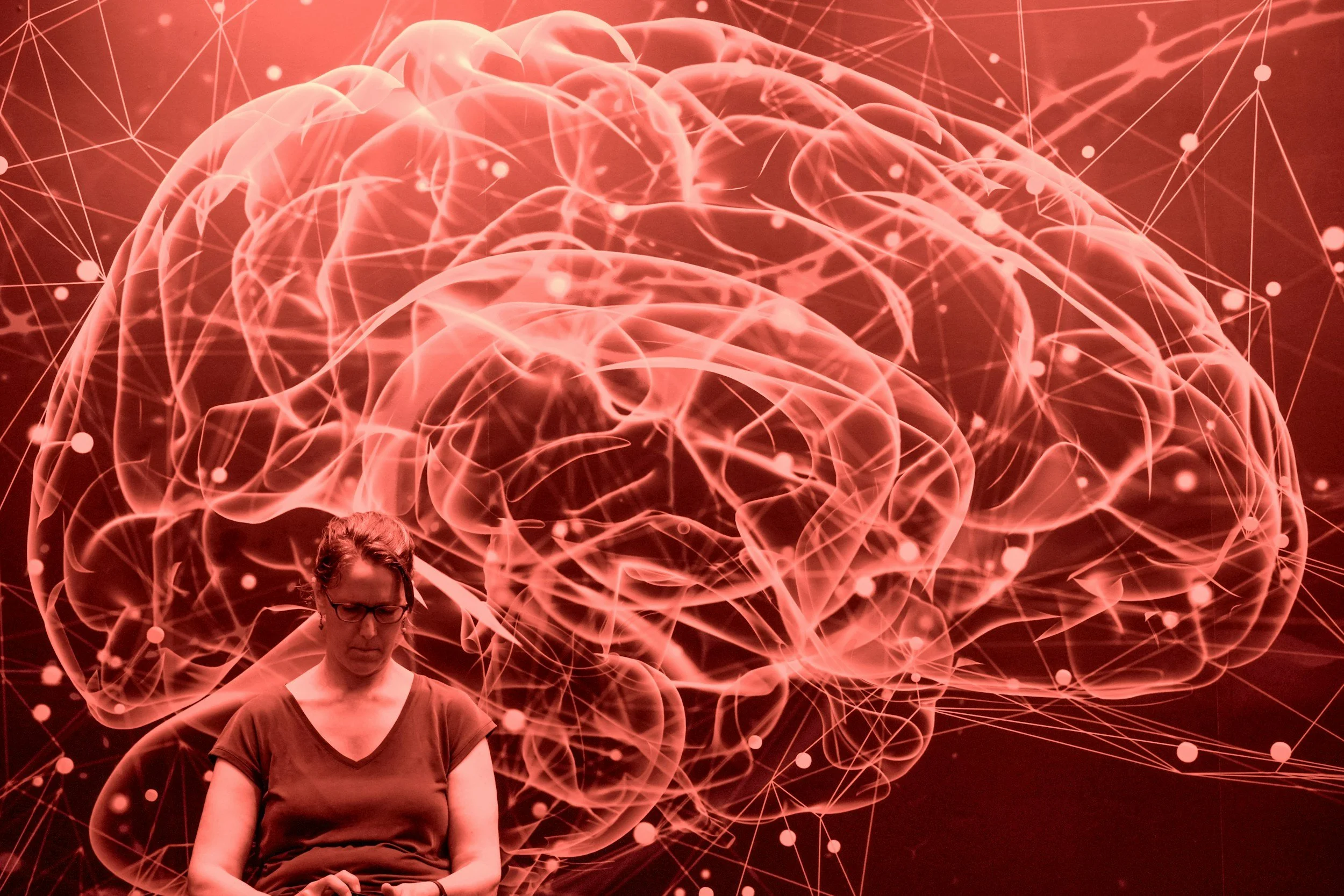
It can also convince you that a mildly ambiguous email is evidence of impending professional ruin, or the shadows cast through your bedroom window at a certain time of day are a sign that no one cares about you.
This is the curious predicament of having a brain designed for survival but required to operate in a world where most of the dangerous things are now hypothetical. The predators have largely been replaced by performance reviews, difficult conversations, medical test results, and the unsettling possibility that someone hasn’t replied to your message because they have decided they no longer like you.
Fear and anxiety are the brain’s response to this business of staying alive. They aren't defects in our psychological architecture, but are rather ancient, sophisticated protective systems that have served humanity rather well, to date. Without them, we’d be wandering into traffic, ignoring warning signs, and treating potentially dangerous situations with the sort of carefree indifference normally associated with a golden retriever.
Our problem isn’t that these systems exist. It’s that they don’t always know when to stand down, and with the increasing velocity of the modern world, we’re all turning into stress cases whether we want to or not. And understanding why this is happening biologically requires us to distinguish between two experiences we often use interchangeably: fear and anxiety.

Fear VS Anxiety
Fear is crucial to our survival, while anxiety tends to have a very active imagination.
Fear is generally a response to an immediate or perceived present threat. Something happens, the brain recognizes potential danger and the body prepares to respond. A car swerves toward you, and then you suddenly hear an unexpected crash. You encounter something that gives you a compelling reason to reconsider your current location in space and environment.
Anxiety, however, is rather more speculative. It concerns what might happen, what could go wrong and what we should perhaps do to prevent an assortment of future catastrophes.
Fear says, There is a tiger.
Anxiety says, There might be a tiger. In fact, there could be several, and… what if the tiger is particularly determined?

The distinction is important because anticipation is one of the great advantages of the human mind. We can imagine infinite possible outcomes, prepare for challenges, and make decisions on dreams based on events that haven’t happened yet. This ability has helped us build civilizations, discover the periodic table of elements, develop medicine and science, and put people on the moon.
It also allows us to experience the emotional consequences of events that exist entirely in our imagination.
The brain doesn’t always distinguish effectively between a genuine threat and a vividly imagined possibility. Both can activate protective responses, sometimes with remarkably similar intensity. We can be sitting comfortably in our living room while our nervous system behaves as though we’ve just discovered a saber-toothed tiger in the kitchen. The tiger of course is purely hypothetical. The racing heart is not.
Your Body Has Received the Memo. Unfortunately, But May Have Misunderstood It.
Anxiety isn't just a set of unpleasant thoughts. It's a full body experience involving the brain, the autonomic nervous system, the hormones, memory and how we interpret our bodily sensations. When we perceive a threat, the brain coordinates a series of physiological changes designed to prepare us for action. Heart rate increases, breathing changes, muscles tense, and attention sharpens as the sympathetic nervous system mobilizes the body, while stress hormones such as adrenaline and cortisol make energy immediately available to help us escape the threat.
Different brain regions detect emotionally significant information, coordinate defensive responses, and simultaneously recall memory, context, interpretation, and regulation, all in a flash. It is a remarkably sophisticated arrangement, rather like having a highly trained security team with direct access to the building’s emergency systems and protocols. Except that sometimes the security team mistakes a delivery driver for an armed intruder.
On a recent trip out of town, I stayed at a hotel where I could feel every time someone used the elevator, and found my anxiety cranked at everything.
And because the response is primarily physical, we don’t simply think our way out of it once the alarm bells are ringing. We feel it. A pounding heart, tight chest, unsettled stomach, or sudden rush of adrenaline can make anxiety seem like an objective assessment of reality rather than a response to how we’re interpreting it.
Worse still, the sensations themselves can become another source of alarm. We notice our heart racing and become concerned about why it’s racing, driving us to experience more anxiety, and notice our heart racing even harder. With anxiety, the alarm has begun monitoring the alarm.
Understanding this feedback loop matters so much in somatic work and mental health because it helps explain why anxiety can feel so convincing, so persuasive, even when we intellectually recognize that logically we’re not in any danger.
Poor brains. The modern world is tough on the nervous system.
How We Accidentally Teach Our Brains to Be Afraid
One of the most interesting things about anxiety is that the strategies we use to escape it can sometimes make it stronger.
Consider someone who feels anxious about social situations: They decline an invitation, experience immediate relief and conclude that avoiding the event was the most sensible thing to do.
From the brain’s perspective, this is excellent news. A potential threat appeared, avoidance was deployed and discomfort disappeared, and we successfully returned to a feeling of safety. In psychological terms, the behavior has been rewarded.
The next time an invitation arrives, the anxiety returns again. Avoidance once again offers an attractive exit. And so the pattern develops. Over time, we label ourselves as suffering from social anxiety, performance anxiety, fear of public places or people, or we recognize ourselves as “simply being introverted” or having issues with public speaking, or any other number of labels to explain the fact that we are avoidant and afraid.
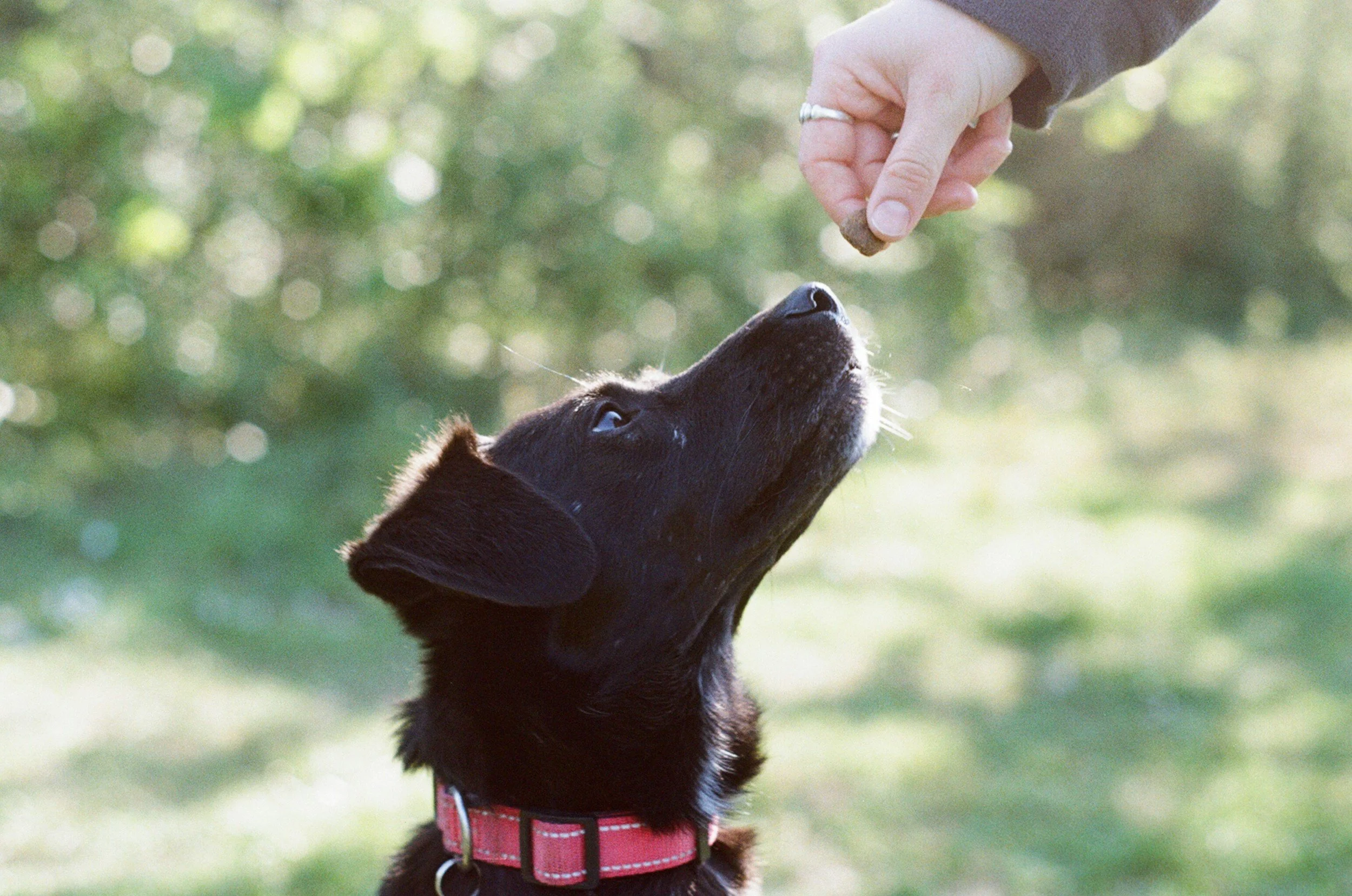
Just as we use reward systems to train animals, our brains develop similar patterns.
Psychologists call this loop negative reinforcement. A behavior becomes more likely because it removes something unpleasant. The relief feels real in the moment, but so does the unintended lesson for the brain: I only became safe because I avoided the situation.
The person never discovers whether the social event would actually have been dangerous, whether the discomfort would have passed or whether they might have managed perfectly well despite feeling anxious anyway. This is how a protective response can gradually become a restriction and a self-fulfilling pattern. We begin by avoiding something because it makes us uncomfortable, then eventually, we become uncomfortable because we have learned to avoid it.
The same pattern can emerge through reassurance seeking, excessive preparation, checking, and attempts to control every possible outcome or need guarantees at each changing dynamic. Each strategy offers temporary relief while potentially strengthening our belief that we cannot tolerate uncertainty.
Unfortunately, there is a peculiar irony here. In trying to make life feel safer, we can inadvertently make it feel increasingly more dangerous.
Your Objective Isn’t to Become Fearless

The mission is knowledge and self-acceptance, not elimination of fear.
We often approach anxiety as though the ultimate psychological achievement were to eliminate it altogether. Aiming tirelessly to become calm, confident and entirely untroubled by the uncertainties of being alive.
Though this is an appealing idea, it overlooks the fact that uncertainty is included in the package of being sentient and alive. A more useful objective is to change our relationship with anxiety.
In my work with clients, we use these concepts to learn to recognize the nervous system's and emotions' signals without automatically accepting their conclusions. We learn that we can experience uncomfortable physical sensations without interpreting them as evidence of catastrophe or actual problems. We can do things that matter to us while feeling uncertain, nervous or afraid.
This doesn’t mean ignoring genuine danger or dismissing what our bodies are telling us. It means developing the ability to distinguish between a useful protective response and an alarm that has become disproportionate to the circumstances. Perhaps the most important shift I observe in this type of work is recognizing that feeling anxious doesn’t necessarily mean we need to do something about it.
Sometimes we do. Sometimes we do need to pay attention, make a change or protect ourselves. And sometimes we need to let the feeling be there while we carry on with what actually matters. Our job as the shepherd of our life and body is to develop the skill of distinction and to train our brain to get really good at it. We can learn to let anxiety be present without it being in charge.
A Final Thought
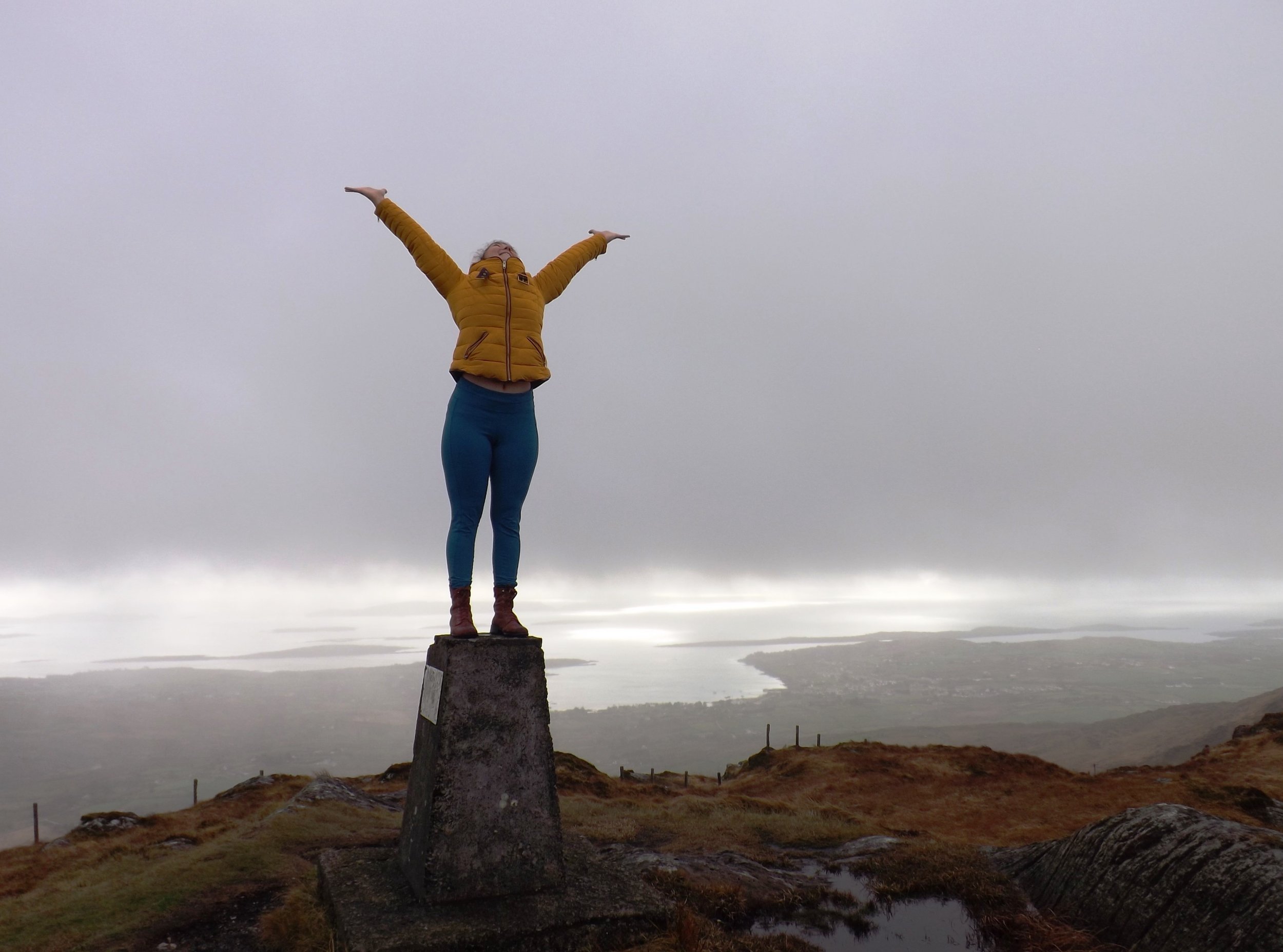
Solo traveling as a woman after finding that anxiety was stealing my life, and if I wanted to see the world, I’d need to face my fears. Circa 2017
Perhaps we’ve been asking the wrong questions when we feel anxious, fearful or worried (which, let’s face it, might be a lot of the time). Instead of wondering how to get rid of it or make ourselves feel better, we might start by asking what it’s trying to do for us, whether its response is proportionate and grounded in reality, and whether we actually need to follow its advice at all.
Our protective systems deserve respect, because they’ve kept us and generations of our ancestors alive through fairly challenging circumstances. But respect doesn’t require unquestioning obedience.
We can acknowledge fear without surrendering to it, make room for uncertainty without spending our lives trying to eliminate it, and recognize that courage isn’t necessarily the absence of feeling anxiety. Sometimes anxiety simply signals that we care deeply about an outcome and our only task is deciding that something else matters more than staying comfortable.
I look forward to exploring this with you over the coming series. If you’d like to work together on how anxiety and stuck stress responses show up in your own life, from relationships and work to money and beyond, please get in touch.
Coming Up In This Series
Over the next five articles, we’ll explore the mechanisms that keep anxiety going and, more importantly, how you can begin to respond differently, starting today.
Part 2: Anxiety Is Not Just in Your Head – Understanding the Body’s Response to Threat
We’ll explore the nervous system, bodily sensations, interoception, and why understanding our physical responses is essential to understanding anxiety.
Part 3: The Anxiety Trap – How Avoidance Keeps Anxiety Alive
Why avoidance, reassurance seeking, and our attempts to control uncertainty can reinforce the very experiences we’re trying to escape.
Part 4: Learn to Feel Anxiety Without Fighting It
Exploring exposure, acceptance, distress tolerance and self-compassion, and how we can develop the capacity to experience difficult emotions without automatically reacting to them.
Part 5: You Don’t Have to Be Anxiety-Free to Live Freely
How to develop confidence, psychological flexibility, and a life guided by what matters rather than by what we’re trying to avoid.

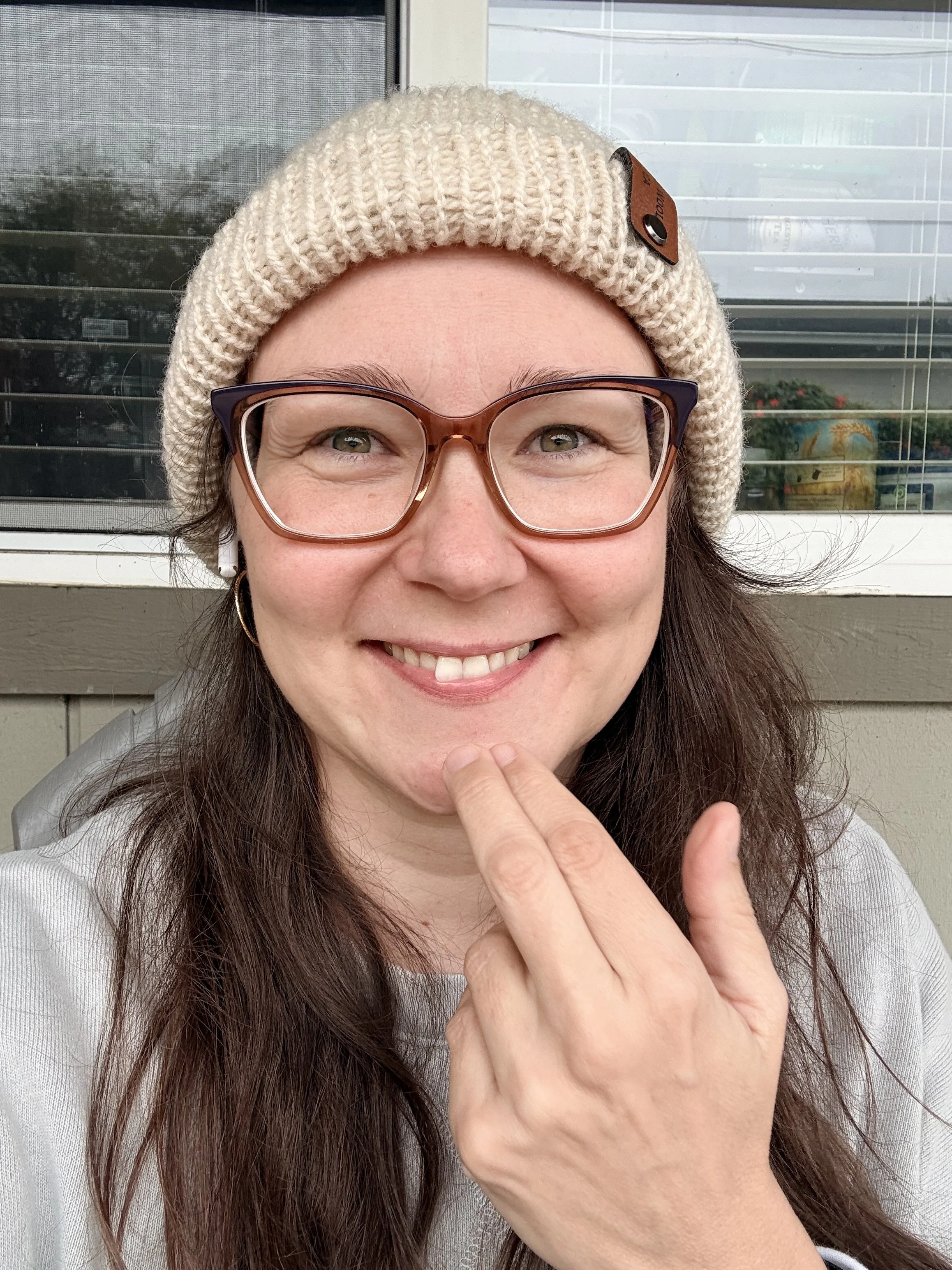
Dani can help you with feelings or patterns of anxiety, fear, overwhelm, and a host of other stressful looping feelings.
About the Author
Dani Crowell is a nervous system coach and advanced grief specialist with 15 years of professional experience working with nervous system regulation, somatic/body-based approaches, and emotional processing therapies.
Her work helps people understand the connection between the nervous system, emotions, the body, and lived experience, building greater capacity for regulation, integration, and meaningful change.

Each time we recall a memory, our brain…