Why Emotional Expression Is Really Good for You

When I first saw the movie Inside Out, it really landed for me that I might not be feeling all of my feelings very effectively after all
For a long time, my emotional world felt a bit like the movie Inside Out, with the emotions all fighting for control of the control panel. My emotional range was quite limited and had been shaped by trauma, as well as by being unknowingly neurodivergent, something I didn’t understand about myself until much later in my forties. I could get moved to tears very easily, but anger was harder for me to handle. I carried a lot of anger, but I struggled to recognize it or express it to others in a way that made sense or felt safe. I also held onto a lot of grief, because my brain didn’t know how to let myself feel it. It all felt too overwhelming to come to grips with. Eventually, I decided I wanted to become what I jokingly called an “emotional Jedi,” someone who could notice their feelings, stay with them, understand what they meant, and learn to move through tough emotions instead of being controlled by them or shutting them down. That decision has shaped my life and the way I help others.
Many people think emotional health means staying calm, controlling tough feelings, and moving on from pain. But there’s another important side: being able to actually feel our emotions. Emotions aren’t just thoughts that live in our minds; they involve our whole body, including the brain, nervous system, hormones, memories, and behaviors. When we feel fear, anger, grief, or joy, our entire system reacts to convey that something important is happening. Expressing our emotions lets us notice, understand, and eventually work through them so our brain can learn and update from our experiences. That is why feeling them with awareness is important, rather than always pushing them away or simply tolerating them.

Getting lost in scrolling media is a common way we end up avoiding what we’re feeling
This difference is important because many of us learned to avoid our emotions without even noticing we had them. We might keep ourselves busy, overthink things, focus on helping others, exercise, work, scroll on our phones, tune in and out of media, or tell ourselves we should be over it already. Sometimes, we can talk about hard experiences but still feel disconnected from our real feelings, which is why sometimes talk therapies can feel unhelpful, as they only tackle part of the problem. These strategies of intellectualizing or distraction aren’t always bad; they can help us get by when we need them. The problem comes when coping is all we do, and we never really process or feel through our emotions.
We Want to Walk Towards What We’re Feeling Inside
“Processing” emotions is a funny description, but it means, in actual terms, more than just talking about them. It means cultivating awareness and a relationship with ourselves and what we feel. We prioritize noticing what’s happening inside us: our body sensations, the feelings and emotions themselves, the memories and beliefs tied to them, and what the experience means to us personally. Ideally, we stay with these feelings long enough for something to shift inside. Sometimes that looks like crying, expressing anger, admitting the truth about something we’ve downplayed, or letting ourselves feel how much something really f*cking hurt. Other times, the change is quieter and more subtle: we realize we were scared and better understand our reactions, or see that something that once felt dangerous now feels safer to remember and to give ourselves compassion for having lived through.
I see this a lot in my work as a nervous system coach and grief specialist. People often come in feeling anger, frustration, resentment, or irritability and try to overpower it with excuses or exceptions, while they're also highly critical of themselves. Over time, and by connecting safely with their feelings, many realize their anger has helped them in some way, even if it is outdated in its expression. Anger can push us to act when something feels wrong so that we set boundaries and protect ourselves from what feels too unpleasant, hard, or overwhelming to be near. For some, anger is easier to feel than grief, fear, helplessness, or longing. However, usually, when people feel safe enough to notice their anger instead of judging, hiding, or misdirecting it, they often find other feelings reside underneath. They might feel incredibly sad and need to grieve what happened, what didn’t happen, or what they needed but didn’t get. Sometimes, this makes space for genuine tenderness, gratitude, connection, or joy to emerge.
This doesn’t mean emotions always follow the same pattern for every person, or that anger always covers up sadness. Our emotional lives are more complex than that, and we really are each very unique. Still, emotions can protect us, and sometimes one feeling helps us avoid another. If anger has worked to keep us away from pain, learning to feel that anger safely can help us get closer to what’s underneath it, and ultimately closer to ourselves. We can’t change what happened in the past, but we can change how we relate to it and how present we are with our feelings about whatever occurred, which can create new paths for how we feel about the past going forward.
Emotions and Our Body

We can get stuck in our heads, busy analyzing what we feel, rather than actually feeling it
Our bodies play a big role in this process.
Every emotional response brings changes in our breathing, heart rate, muscle tension, focus, energy, and how our nervous system reacts. Our brains constantly combine these signals with our memories, expectations, relationships, and sense of safety to help us decide what to do next. That’s why separating physical and emotional health can be misleading, and why pain science is starting to emerge as a major supporter for emotional processing. Our minds and bodies are always talking to each other, and clinical findings are highlighting how our inner experiences come from that connection.
Research on chronic pain looking at CBT(cognitive behavioral therapy) and EAET(Emotional Awareness and Expression Therapy) shows how this mind-body connection works:
CBT has strong evidence that changing how we think and act can help reduce pain and disability. More recently, researchers have looked at therapies that focus more on emotions.
EAET, for example, helps people notice their feelings, avoid pushing them away, and cope with tough experiences and relationships. In a clinical trial with people who had chronic musculoskeletal pain,
EAET led to bigger drops in pain than CBT, and the results lasted for at least six months. Other studies on emotion-focused treatments have also found less chronic pain. This doesn’t mean pain is “all in your head.” Instead, it shows that how our nervous system handles emotions can affect how our bodies feel pain.
Clinical EFT, a primary modality I work with, AKA Emotional Freedom Techniques, is another method that brings together emotional awareness and body regulation. Early research, including studies with people who have chronic pain, has found that EFT can lower pain levels and how much pain gets in the way of their lives. The research is still relatively new, so it’s too soon to say that emotional expression or any one method can treat all physical symptoms. Overall, studies show that our emotional experiences matter profoundly for our physical health. The way we notice, manage, express, and understand our feelings can affect both our bodies and our minds.
Emotion and Memory

One reason for this is that emotionally important experiences aren’t stored in our minds like simple recordings. When we remember something from the past, the feelings, beliefs, and protective habits from that time can resurface as though it is still happening. In a supportive setting, we can revisit those old experiences while also seeing things differently. For example, someone who once felt powerless might realize they have many choices now. Or someone who learned that showing anger was risky might find they can express anger safely now. Someone who went through a big loss might finally feel their grief while also feeling the safety and support from their inner self and others around them that they didn’t have before.
That is why the setting for emotional expression matters so greatly. Just telling someone to let out their feelings isn’t always helpful, and research on things like expressive writing shows that simply expressing emotions doesn’t always have a big or consistent effect. What really matters is the bigger process: being able to face an emotion, stay steady while feeling it, make sense of it, and do this in a place where new insights and experiences are possible. Having someone supportive with you can make a big difference, because being seen, understood, and not alone changes how we carry our feelings.
Read more about how to effectively use expressive writing here(coming soon)
When It’s Too Much To Feel
There’s also a harder side to emotional processing that we don’t talk about enough: sometimes we need to feel emotions we’ve avoided for years in order to access our capacity to heal or feel physically well, like guilt, anger, or even rage. This doesn’t mean acting out on rage impulses or thinking guilty thoughts makes us bad people. It means getting curious about what these feelings are really about and getting to know them deeply, instead of burying them and turning them against ourselves or others. For many, real self-acceptance is hard to reach when we keep certain feelings off-limits. We might say we want to be kind to ourselves and others, but still refuse to admit our anger, jealousy, guilt, grief, or rage. Compassion isn’t about liking every thought or action we feel or do; it’s about staying connected to ourselves, especially when what we find is uncomfortable.
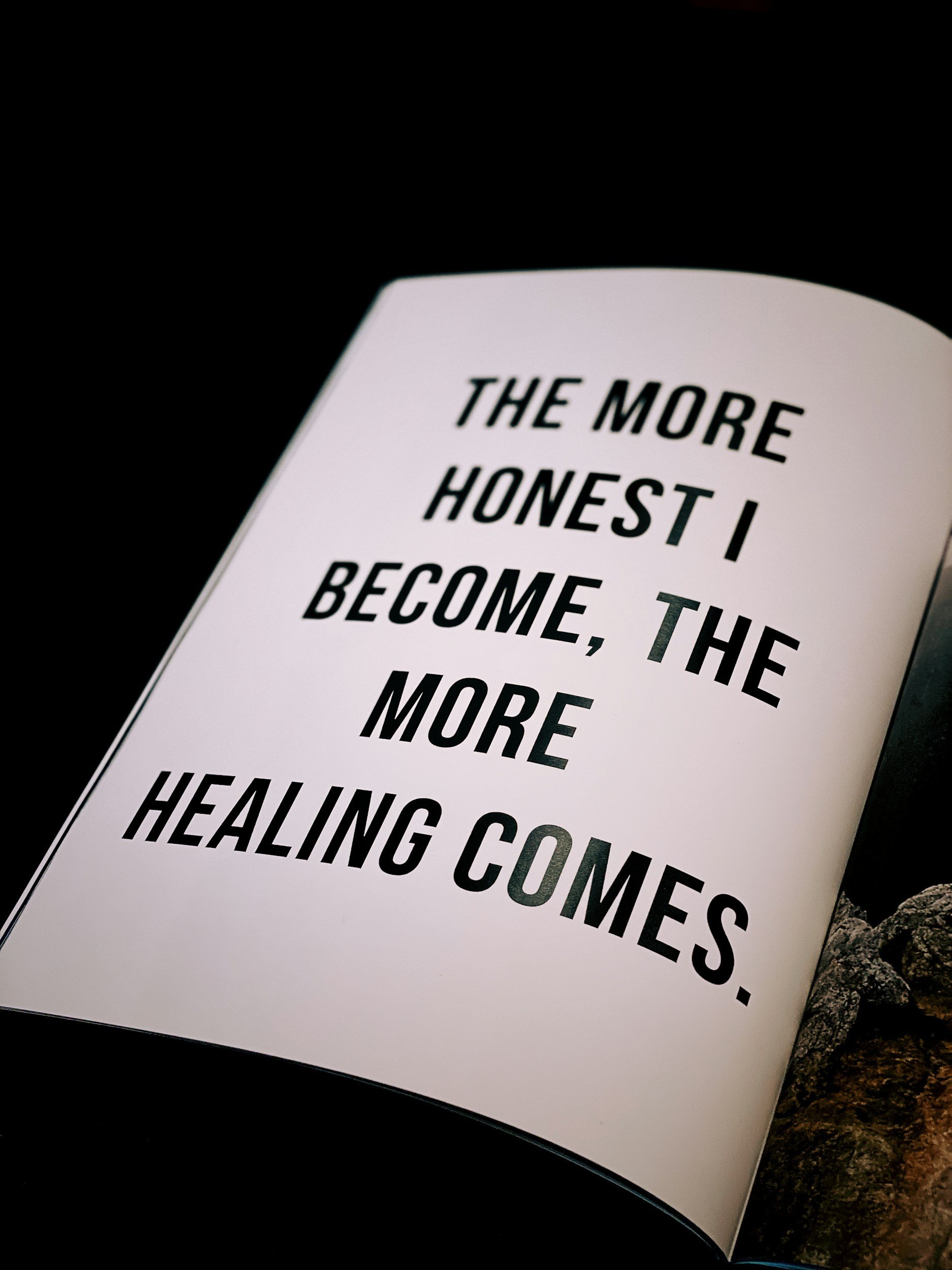
In this way, working through our emotions can help us accept ourselves and move forward more quickly than ‘powering through’ might. When we can say, “Yes, I was furious, and I hate xyz,” or “Yes, part of me felt guilty about xyz,” or “Yes, I wanted something I was deeply ashamed to want,” without falling into shame or defensiveness, we start to build a fuller relationship with ourselves. We don’t have to split ourselves into good and bad parts, or palatable versions of ourselves anymore. We can see why we developed certain ways of coping, grieve what those responses were protecting and what protecting or not protecting ourselves may have led to, take responsibility when needed, and show compassion to the person we were, doing the best we could at the time given our resources.
For me, being an “emotional Jedi” isn’t really about mastering my emotions per se; it’s become about emotional fluency and capacity, about being willing to know myself more fully, including making space for feelings and beliefs I once thought were unsafe to acknowledge. The result has been that I now have more space for real compassion and feeling that makes the world richer and more colorful, and when someone comes to me with difficult feelings, I am unafraid to meet them there and be with them until the wave has passed. And I give my younger selves who were stuck in Inside Out limits heaps of love and care, and remind them they were perfect and did a great job keeping me alive, and now they can go play while I go adult the sh*t out of our life.
If this helped you or you’d like to learn more, you’re welcome to explore more resources on nervous system regulation, grief, emotional processing, and the mind-body connection, or reach out to learn more about working together here.
About the Author

Dani Crowell is a nervous system coach and grief specialist with 15 years of experience working with nervous system regulation, somatic approaches, and emotional processing therapies.
Her work helps people understand the connection between the nervous system, emotions, the body, and lived experience, building greater capacity for regulation, integration, and meaningful change.