What Happens When We Grieve?
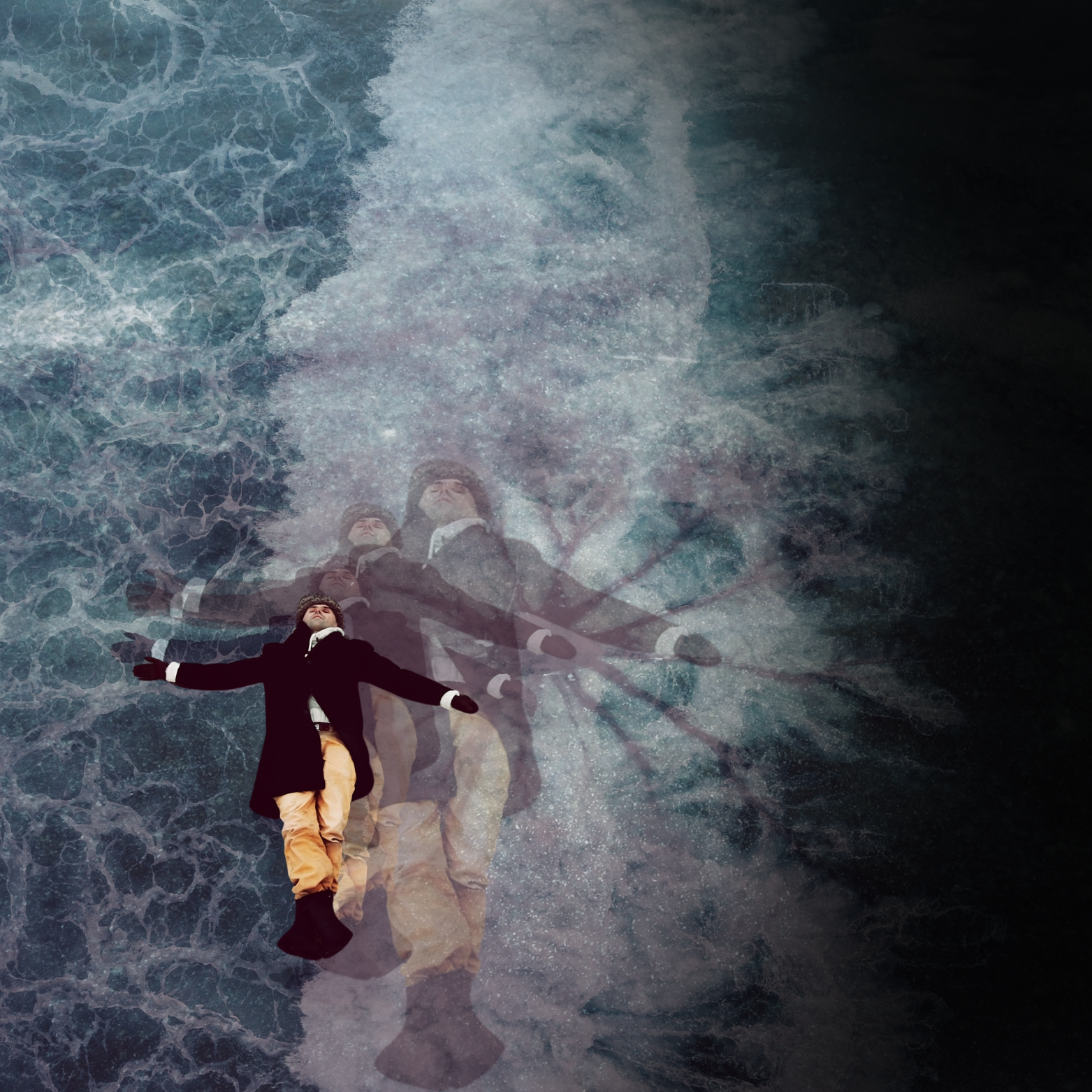
Grief is often associated with death, but loss takes many forms. A universal experience and a natural part of life, it can come with the end of a relationship, a change in health, a lost dream, a move, a betrayal, or a major life transition. Unlike sadness, grief is not something you can simply cry through and leave behind. It is often an entire systemic process which affects the whole person body, mind, emotions, and behavior and often shows up in ways we don't immediately recognize as grief.
When something deeply important suddenly disappears or is taken from us, the nervous system responds as if the world has become less safe and predictable. This can create an experiential haze and a wide range of reactions, from exhaustion and brain fog to anxiety, numbness, irritability, physical symptoms, and difficulty concentrating. These responses are not signs that something is wrong with you; they are part of how human beings adapt to significant loss. And because many are not educated about the grief experience, most do not understand what is happening to them when they get hit with profound loss or life-changing circumstances.

Grief is normal.
And after a loss, people don't have to go back to who they used to be. They can become who they are now.
In my work, I have found that understanding what grief is and how it impacts the body can make these experiences far less confusing to go through. When you recognize what your body and mind are trying to do for you, you can work with the process rather than fight it.
Psychiatrist Erich Lindemann, whose pioneering research helped shape our modern understanding of grief, observed that loss often affects people far beyond their emotions alone. He documented changes in physical health, thinking, behavior, relationships, and daily functioning, many of which grieving people never realize are connected to grief at all.
The following post is a look at some of the many ways grief can appear when it quietly or very suddenly enters your life.
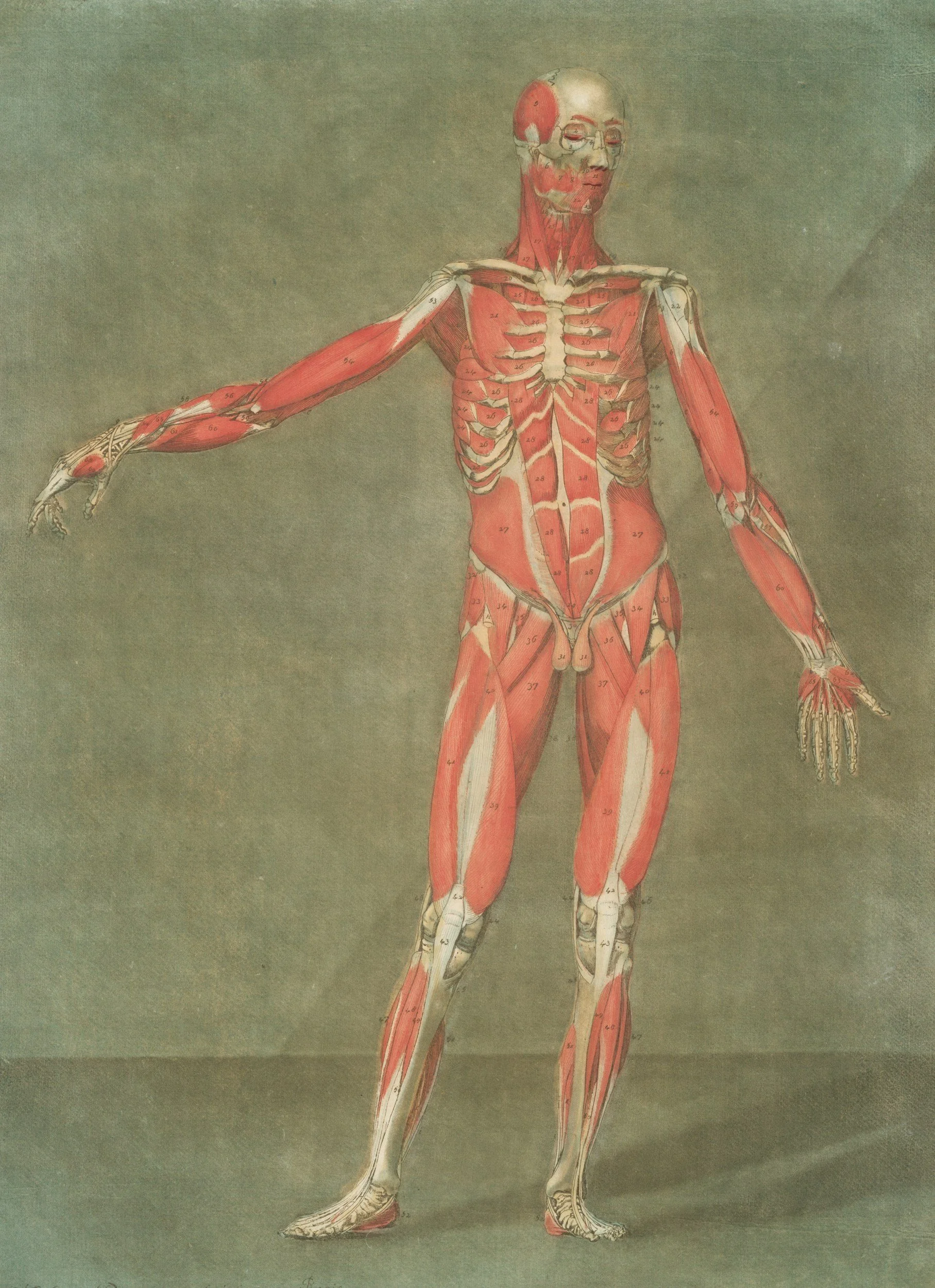
How grief can show up in the body
Loss affects more than our emotions. Grief is a whole-body experience that can influence physical health, energy, sleep, concentration, and daily functioning. While everyone's experience is different, many grieving people are surprised to discover how many of their symptoms are connected to loss.
Common physical experiences of grief include:
Tightness in the chest or throat
A feeling of heaviness in the chest, head, or throughout the body
Fatigue and low energy
Shortness of breath or difficulty taking a satisfying breath
Changes in appetite, digestion, or stomach comfort
Trembling, shaking, or feeling physically unsettled
Headaches, muscle tension, or body aches
Sudden fluctuations in body temperature either very hot or chilled
Unexpected tears that seem to come from nowhere
If you’ve experienced loss, these reactions don't always mean something is physically wrong with you; they are common responses to significant loss and have been documented in grief research for decades.

What grief research teaches us
In 1944, Lindemann published one of the first major studies of grief after interviewing and monitoring survivors and family members affected by the Cocoanut Grove nightclub fire in Boston. He observed that these grievers commonly experienced physical distress, difficulty functioning in daily life, survivor’s guilt, sudden swings and changes in behavior, and periods of intense emotional pain. Many of the symptoms grieving people report today, including chest tightness, breathlessness, exhaustion, digestive changes, and difficulty concentrating, were described in his work more than 80 years ago.
More recent research has continued to show that grief affects far more than how we feel. Researchers have found that the acute phase of grief is often characterized by disruptions in regulation across multiple systems, affecting sleep, attention, stress responses, mood, and physical health. Grief isn't simply something we think about when we miss someone or something; it is something the brain and entire body experience.
How grief can affect behavior
Grief often changes the way we move through the world, where activities that once felt easy or fulfilling may suddenly require more effort. Socializing may feel overwhelming and the pleasure we used to get out of connecting with others can become overshadowed by the feeling that something is missing. Everyday decisions can become surprisingly difficult.

You may notice:
Pulling away from people or wanting more time alone
Changes in sleep patterns
Difficulty concentrating or remembering things
Loss of interest in activities you normally enjoy
Feeling restless, agitated, or unable to settle
Feeling emotionally numb or disconnected
Increased irritability, frustration, or anger
Difficulty keeping up with everyday responsibilities
Many people become concerned when they notice these changes and wonder whether they are coping poorly or "doing grief wrong." Or they might miss them entirely as relating to grief and mislabel their struggles as “just being tired.” In reality, these shifts are often part of the mind and body's attempt to adapt to a changed reality and manage the adjustments required to do so.
The emotional impact of loss
When people think of grief, they often think of sadness and crying, and while of course sadness is certainly part of the grief experience, grief can bring a much wider range of emotions.
These can include:
Sadness and longing
Guilt, regret, or self-blame
Numbness and emotional disconnection
Loneliness and isolation
Anxiety and uncertainty about the future
Relief, especially after a difficult caregiving experience
Changes in identity or sense of self
Fear of forgetting important memories

The Landscape of Grief can be Confusing
The emotional landscape of grief is rarely consistent; you may feel devastated one day and relatively normal the next. Moments of laughter can coexist alongside profound sadness and tearfulness. These shifts are often confusing, but they are a normal part of adapting to loss while the body learns to live around it.
Why understanding matters
One of the most painful aspects of grief is not always the loss itself. Often, it is the belief that something is wrong with us because of how we are responding. Many people feel frightened by fatigue or distracted by brain fog, frustrated by tears, or ashamed of how much they have withdrawn from others. They assume they should be stronger, recover faster, or handle things differently than they are.
Recognizing how normal and universal these experiences and grief responses are can reduce a tremendous amount of unnecessary self-judgment. Remind yourself that your body is not failing you and your mind is not broken. You are simply responding to the human experience of having lost a person, dream, hope, opportunity, or expectation which was meaningful to you.
What may help
One of the biggest misconceptions about grief is that it follows a predictable series of stages that eventually ends. Modern grief research suggests a more complex picture. Most people naturally move back and forth between confronting their loss and engaging with everyday life. Some days grief is in the foreground. Other days it recedes into the background. Both are normal.

Psychologist, author, and death educator J. William Worden described grieving not as a series of stages, but as a set of ongoing tasks. These include accepting the reality of the loss, allowing yourself to experience the pain of grief, adjusting to life after the loss, and eventually finding a way to remain connected to what was lost while continuing to move forward.
These tasks rarely happen in order, and most people will revisit them again and again over time.
While there is no way to eliminate grief, there are ways to support yourself through it:
Prioritize rest when your body asks for it.
Stay connected to at least a few trusted people.
Maintain simple routines when possible.
Move your body gently through walking, stretching, or other forms of movement.
Allow emotions to come and go without judging them.
Seek support when the weight of loss feels too difficult to process.
Grief is the emotional and physical state of experiencing loss, and the act of grieving is the process of living with the reality of loss. That process rarely unfolds in a straight line; more often it moves in waves, with moments of heaviness and moments of relief, periods of withdrawal and periods of renewed engagement. Over time, most people discover that grief does not disappear so much as it changes shape.
Understanding that can make the experience feel a little less lonely.
Looking for support for working through grief?
Many people assume they should know how to navigate grief on their own. Yet most of us were never taught how to understand loss, process unresolved emotions, or adapt to the changes grief can bring.
If you're finding yourself stuck, overwhelmed, or simply wanting more support as you move through a significant loss, grief recovery coaching provides a structured approach to help you understand your experience and move forward with greater clarity.
If this helped you or you’d like to learn more, you’re welcome to explore more resources on nervous system regulation, grief, emotional processing, and the mind-body connection, or reach out to learn more about working together here.

About the Author
Dani Crowell is a nervous system coach and grief specialist with 15 years of experience working with nervous system regulation, somatic approaches, and emotional processing therapies.
Her work helps people understand the connection between the nervous system, emotions, the body, and lived experience, building greater capacity for regulation, integration, and meaningful change.