The Rhythm of Breath: A Personal Path Through Trauma and Grief
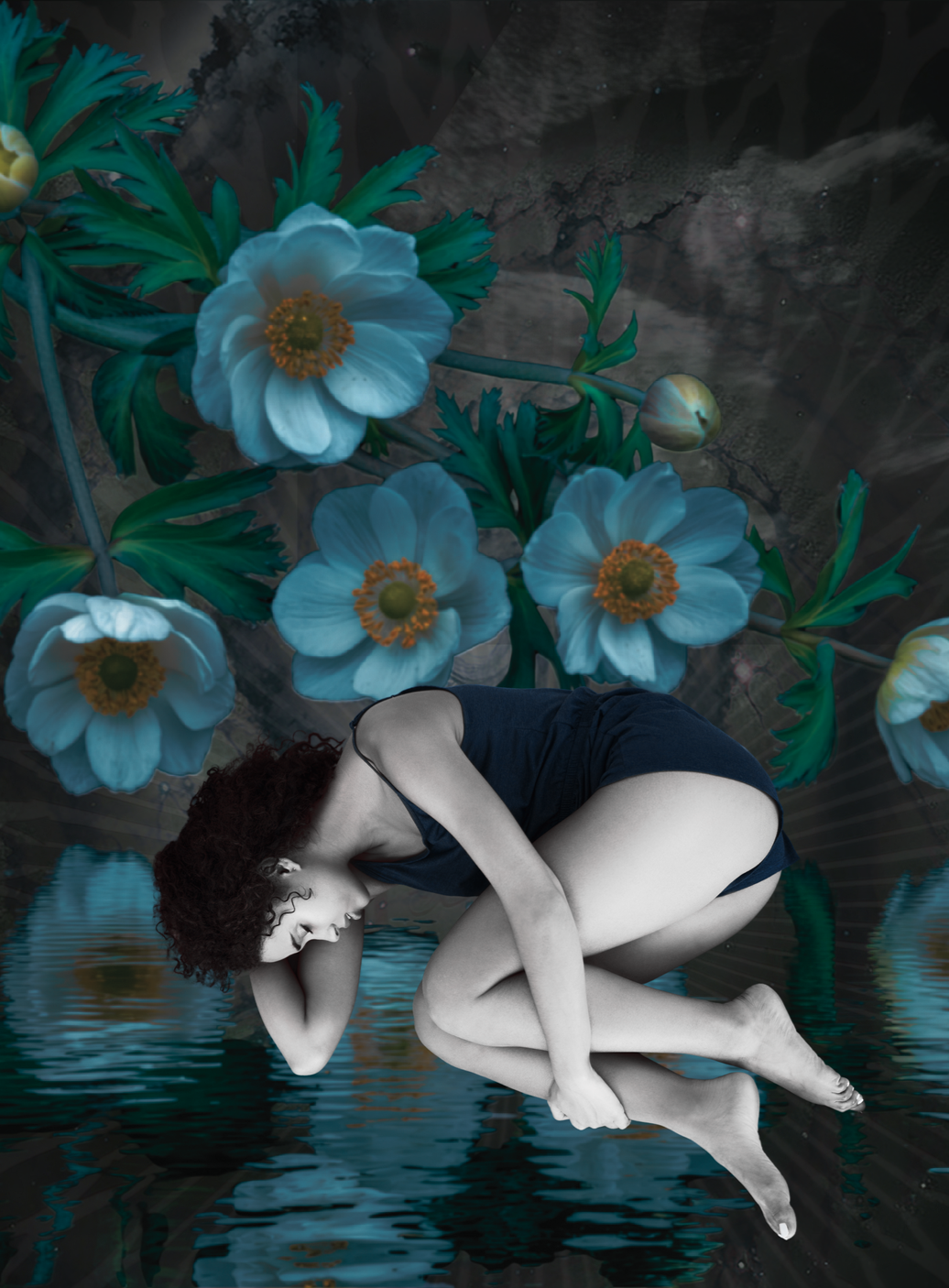
Cosmic Womb, collage by me
Trauma recovery, grief, and living a life well all include grounding in the basic premise of how the body lives and breathes in life.
Looking at our breath, and at all life itself, there is the flow of contraction and expansion. We contract, breathe out, close down, and go in. We expand, breathe in, open up, and take the outside world into our body. And then we do this over and over, billions of times, billions of moments, thousands upon thousands of times every day.
In the inner work, and especially when we are focused on recovering from trauma or loss, we must learn to allow our body to be able to do this. To explore these edges of experience in different varying degrees. With grief and loss, we must learn how to contract ourselves. We learn how to allow ourselves to stop giving outward and stop taking in, to pause and let the gravity and impact of what we have lost affect us and change our internal landscape.

And the same goes with trauma. We must learn when to self protect, when to go in, and when to expand out and seek comfort and safety from others, our environment, and ourselves.
Recovery and health are all art forms when looked at from this narrative. Every breath, glance, and direction of attention becomes the brushstroke of how we dance with life itself. And looking at the delicate impermanence of life that arises when we see how fleeting each state really can be, can become the next layer we must face.
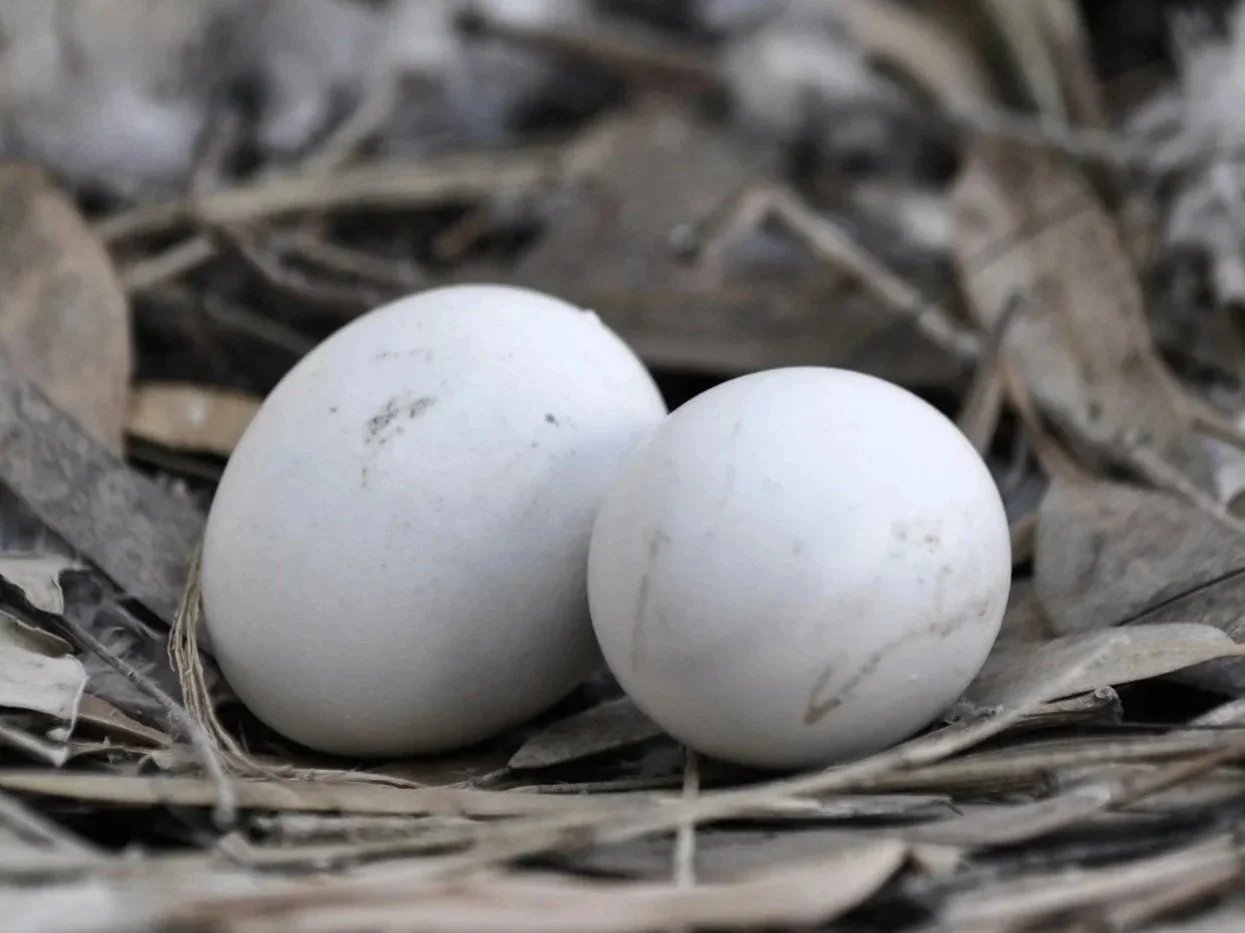
The biology of being alive
When we are born, the creative spark of biology writes us into existence as molecules of stardust, as our celestial and actual mothers and fathers come together to form new life. Our life. Through cellular growth and development, our body takes shape within this movement of contraction and expansion. We are held in the contracted space of our mother’s body while simultaneously expanding through growth, with our developing nervous system and organism reaching for nourishment, connection, and safety.
Then, through an explosion of energy and chemical processes, we expand out into the world, forced from the safety and contracted space we have known for months into a new, cold, noisy, gravity-filled world. We are moved from contraction into something new, and we gasp for air, contracting around our first breath. We expand and contract. We cry. We are alive.
And this cycle continues for as long as we live. We have experiences that overwhelm us, we seek comfort and support, and then we withdraw. We move between contraction and expansion, reaching outward and turning inward, taking in and letting go. This is the cycle of life and death unfolding in every breath, every day, and every moment.
Relearning the fundamental rhythms of life
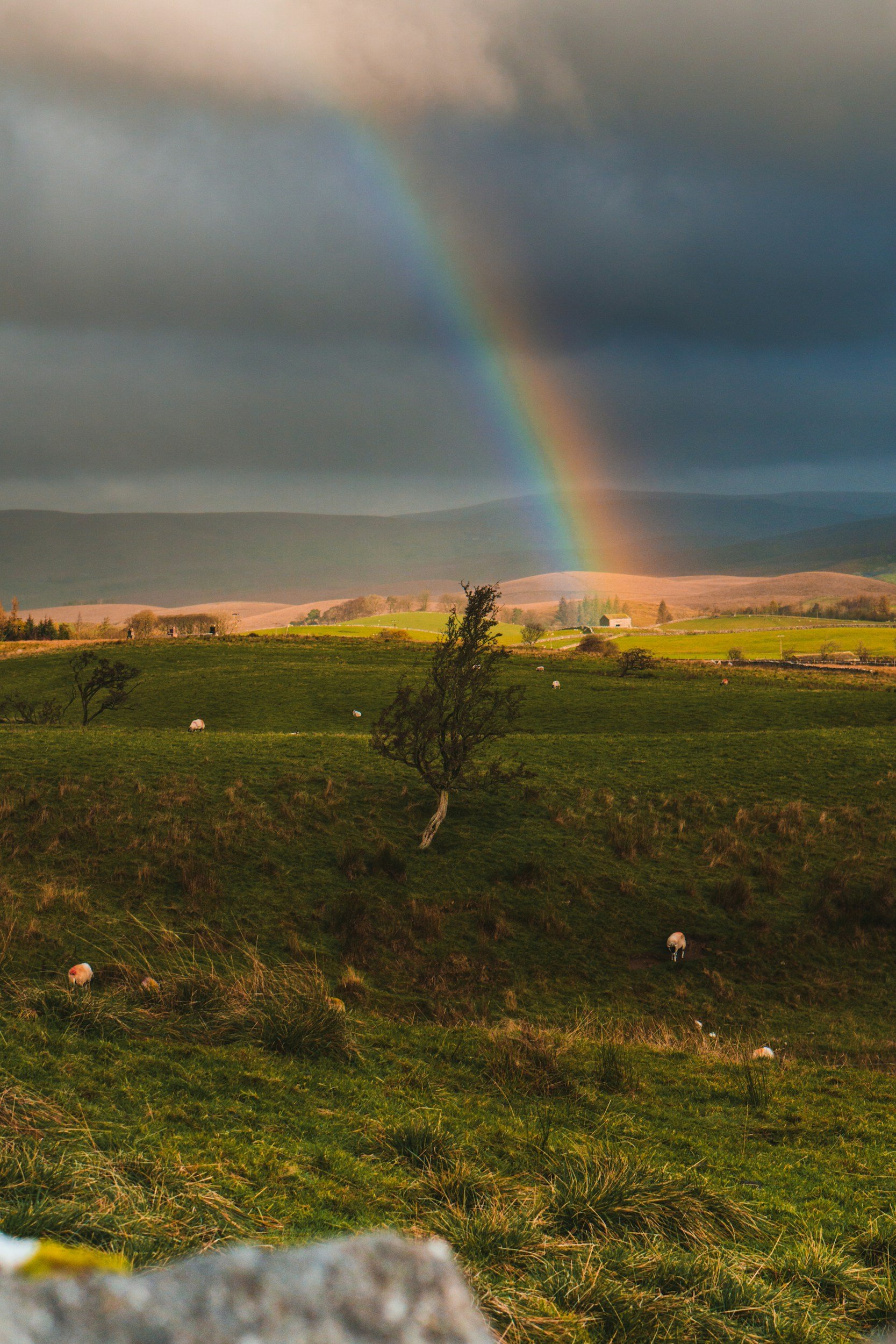
For truly effective growth, healing, and emotional inner work, we have to relearn these fundamental rhythms of being alive. Grief thrusts us into contraction, and we have to learn how to allow it, even welcome its wings, if we are going to recover and grow around what has happened. We have to learn when to shut the world out and when to let it back in. The same is true of trauma recovery. Our bodies need us to help them relearn or, in some cases, learn for the first time how to recognize when to do each, and how to trust the natural impulses that tell us what we need.
I have been learning and relearning these skills for the past twenty years. Throughout my life, I experienced a series of life-changing events, one following another, until the stack of falling dominoes sent me to a place where I lost my breath and eventually my rhythm entirely.
In a short period of time, I lost both parents before I turned 30. The years that followed brought more profound losses and trauma, changing the course of my life in ways I could never have anticipated. I crawled my way back to a semblance of a life that made sense, but the trauma and grief had changed me so profoundly that I came to feel like a wandering ghost, half okay and half lost all the time.
I thought that first wave of loss was hard, but I had no idea what was coming. A handful of years later, another period of profound upheaval brought illness, a brain injury, and the loss of much of the life and identity I had known. I could no longer rely on the ways I had always moved through the world, and I was forced into a kind of contraction I had never experienced before.
The work of coming home to ourselves

In those years of suffering, sickness, and recovery, I had to learn. I had to learn how to contract when I wanted to expand. I had to learn how to let myself go inside and feel the things I didn't want to feel and didn't know how to feel. I had to allow myself contraction when all I had known as safety was expansion.
Living in an expansion-hungry culture, full of noise and creation and more, more, more, my human being had no idea how to go inside and let that be okay. With poor models from my caregivers growing up who also didn't have healthy models for this — I was utterly lost.
Over the years after the major crash periods, I learned what I needed to do, how I needed to be with myself and my experiences, and how to respond to my inner and outer signals. And now I am learning who I need to become to dance with these rhythms. How to allow the contraction, and how to allow the expansion.
How to let this go, and allow that, and let that go.
Illness forced me to contract more than I had ever had to in my entire life. It robbed me of the coping mechanisms and skills I'd spent a lifetime perfecting. But in doing so, it gave me back a version of myself that is emotionally healthy, in tune, and grounded no matter how I might be feeling in any given moment.
An invitation
This is what I wish for everyone: grounded, safe, and embodied connection to our aliveness. To master that capacity to meet yourself with compassion in both the contraction and the expansion throughout life’s moments. Because in and throughout our lives, we will all experience great loss and strife at some point; and in many cases, we will experience the waves over and over again.
I believe the best thing we can do for ourselves is cultivate the resilience to be with every wave and eventually learn to both surf them and be washed by them. To learn to allow and let in the reality of life as it actually is, and not just push past the pain to only live as we wish it to be. To learn the skill and grace to allow the breath of life to move us, change us, and expand or contract us organically with the flow of life's rhythms is where we can find ourselves again and again.
I believe that is where we come alive.
If this helped you or you’d like to learn more, you’re welcome to explore more resources on nervous system regulation, grief, emotional processing, and the mind-body connection, or reach out to learn more about working together here.
About the Author
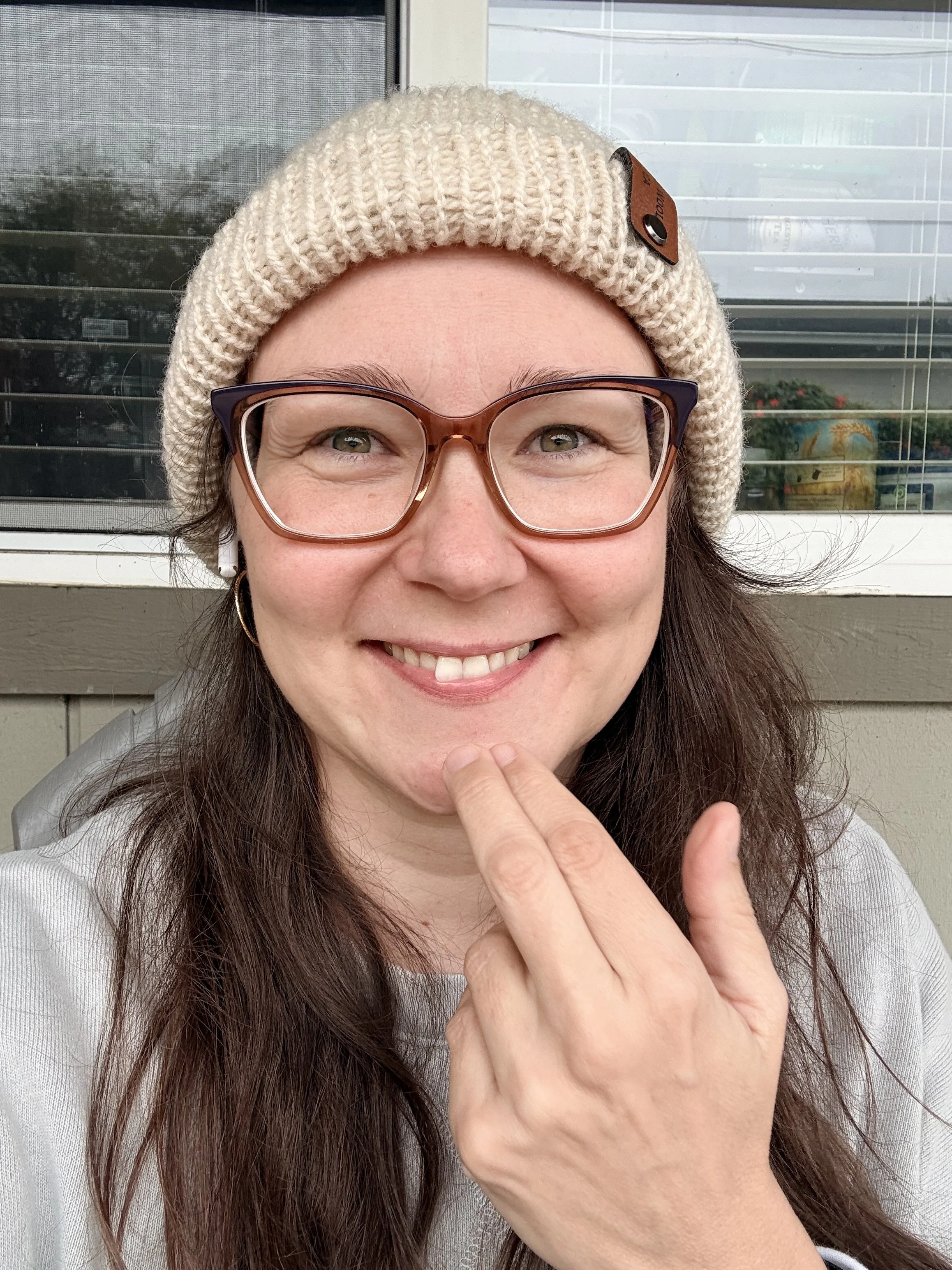
Dani Crowell is a nervous system coach and grief specialist with 15 years of experience working with nervous system regulation, somatic approaches, and emotional processing therapies.
Her work helps people understand the connection between the nervous system, emotions, the body, and lived experience, building greater capacity for regulation, integration, and meaningful change.